


In a world drowning in waste, upcycling emerges as a superhero in disguise. It takes the ordinary and transforms it into the extraordinary, proving that one person’s trash can indeed be another’s treasure. Why toss that old chair or those mismatched socks when they could become a chic plant holder or a quirky sock puppet?
Overview Of Upcycling
Upcycling embodies a creative solution to waste management. Individuals transform discarded items into valuable treasures through various projects. The process breathes new life into objects that might otherwise end up in landfills. Old furniture can become trendy home decor, while glass jars can transition into stylish storage containers.
Creativity plays a crucial role in upcycling. People use their imagination to envision new purposes for unwanted items. For instance, outdated clothing can be altered into fashionable accessories, and wooden pallets can serve as unique garden benches. Every upcycling project highlights the potential hidden within seemingly useless materials.
Environmentally, upcycling reduces the demand for new resources. Crafting new items from existing materials minimizes waste and lessens the carbon footprint associated with manufacturing. Communities benefit from sharing upcycling tutorials, inspiring individuals to take action toward sustainable living.
Resources for upcycling are widely available online. Websites, blogs, and social media platforms feature countless ideas that demonstrate the versatility of upcycled materials. Tutorials often outline step-by-step instructions, guiding individuals through various artistic processes. Community workshops also foster an engaging atmosphere for learning and collaboration.
Ultimately, upcycling encourages individuals to view everyday items in a new light. Inspiration can be found in various forms, whether at local thrift stores or in the confines of one’s own home. Embracing this mindset leads to a more sustainable lifestyle while showcasing personal creativity and innovation.
Benefits Of Upcycling
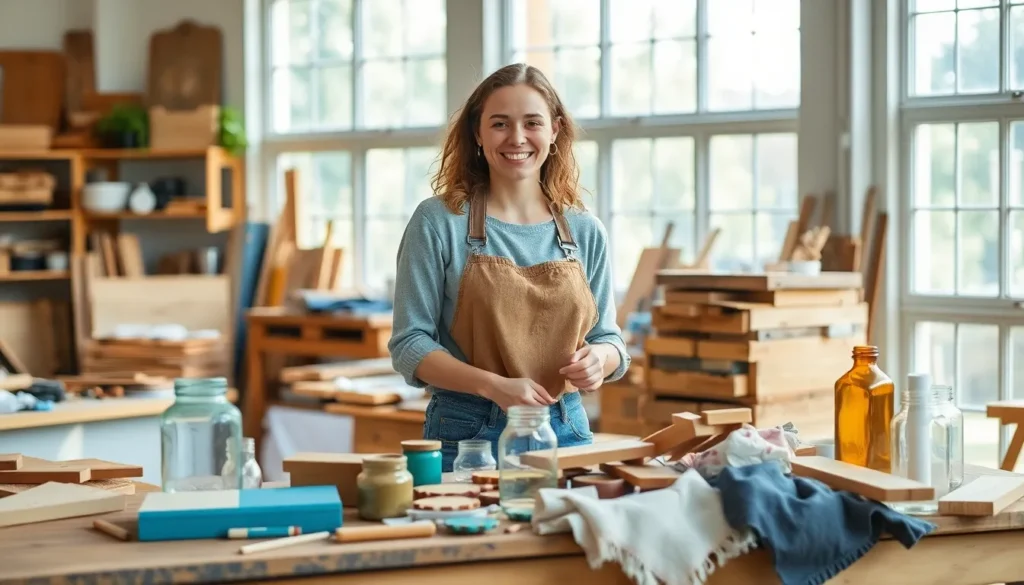
Upcycling provides essential benefits that range from environmental to economic advantages.
Environmental Impact
Upcycling significantly reduces waste by repurposing materials that would otherwise be discarded. Each item transformed into a new creation lessens the burden on landfills, thereby decreasing overall waste accumulation. Natural resources experience lower demand, as people creatively reuse existing materials instead of purchasing new ones. Carbon emissions also decrease, since less energy is used in the manufacturing process of new products. Furthermore, upcycling encourages a sustainable mindset, increasing awareness about environmental conservation and resource management.
Economic Advantages
Upcycling offers numerous economic benefits that resonate with both individuals and communities. Costs associated with purchasing new materials decrease when people repurpose items they already own. Unique, upcycled products often attract higher prices at markets or online platforms, enhancing profit potential for creators. Additionally, local economies benefit from workshops that teach upcycling skills, fostering entrepreneurship and job creation. Consumers also derive financial advantages by investing less in traditional retail, enjoying personalized items created with care and creativity.
Types Of Upcycling Projects
Upcycling projects encompass a wide range of creative possibilities. These projects can enhance everyday items, providing them with new life and function.
Furniture Upcycling
Furniture upcycling transforms older pieces into stylish, functional items. People often paint, reupholster, or modify old chairs, tables, and cabinets. An example includes converting an old dresser into a chic TV stand. Creative enthusiasts can turn wooden pallets into rustic coffee tables or benches. Skills in sanding and refinishing enhance the aesthetic appeal of items, making them stand out in any space. Online tutorials provide step-by-step guidance on furniture transformations, allowing individuals to explore their creativity while being environmentally conscious.
Fashion Upcycling
Fashion upcycling breathes new life into outdated clothing and accessories. Individuals regularly repurpose old shirts into fashionable bags or turn jeans into stylish shorts. People often embellish plain garments with patches, embroidery, or paint to create unique styles. Cutting and sewing techniques offer opportunities for customization, ensuring that no two pieces are alike. Upcycled fashion projects not only reduce textile waste but also encourage self-expression. Tutorials available on various platforms inspire individuals to embrace their creativity in wardrobe revitalization.
Home Decor Upcycling
Home decor upcycling takes ordinary items and gives them a decorative twist. Items like glass jars can serve as trendy vases or candle holders. Repurposing wooden crates into shelving units provides both storage and aesthetic appeal. Old picture frames find new life as decorative mirrors or photo collages. Individuals may collect thrift store items to create a cohesive theme in their decor. With numerous ideas shared online, home decorators can find inspiration for unique projects that reflect their personal style. Engaging in these creative endeavors contributes to a sustainable lifestyle while enhancing living spaces.
Popular Upcycling Tutorials
Upcycling projects can provide endless creative opportunities while reducing waste. The following sections explore popular tutorials that inspire a sustainable lifestyle.
DIY Furniture Transformations
Many individuals enjoy breathing new life into old furniture. Techniques to reupholster outdated chairs often include vibrant fabrics or fresh paint. Adding new hardware to dressers can dramatically change their appearance. Cutting down larger pieces like tables into smaller, functional items creates unique solutions. Following online tutorials helps guide individuals through transformations, ensuring a successful project.
Clothing Refashioning Hacks
Refashioning clothing opens doors for personal style and sustainability. Simple techniques like cutting and knotting can make old t-shirts into trendy crop tops. Adding lace or patches to denim can revive worn pieces while customizing looks. Sewing skirts from oversized dresses provides a fresh wardrobe option. Online resources often offer step-by-step instructions, making it easier to tackle these projects.
Creative Home Decor Ideas
Transforming everyday items into home decor pieces is both fun and rewarding. Glass jars can become stylish candle holders or storage containers with minimal effort. Wooden crates can introduce rustic charm when used as shelving units or side tables. Turning old picture frames into bulletin boards enhances both functionality and creativity. Engaging with a variety of tutorials allows for exploration of countless decorating ideas tailored to individual tastes.
Embracing upcycling opens a world of creativity and sustainability. By reimagining discarded items, individuals can contribute to a healthier planet while expressing their unique style. The diverse range of upcycling projects, from furniture to fashion, showcases the endless possibilities for transformation.
With numerous online resources and community workshops available, anyone can start their upcycling journey. This not only minimizes waste but also fosters a sense of community and collaboration. As people continue to discover the benefits of upcycling, they’ll not only enhance their living spaces but also play a vital role in promoting environmental consciousness.


