
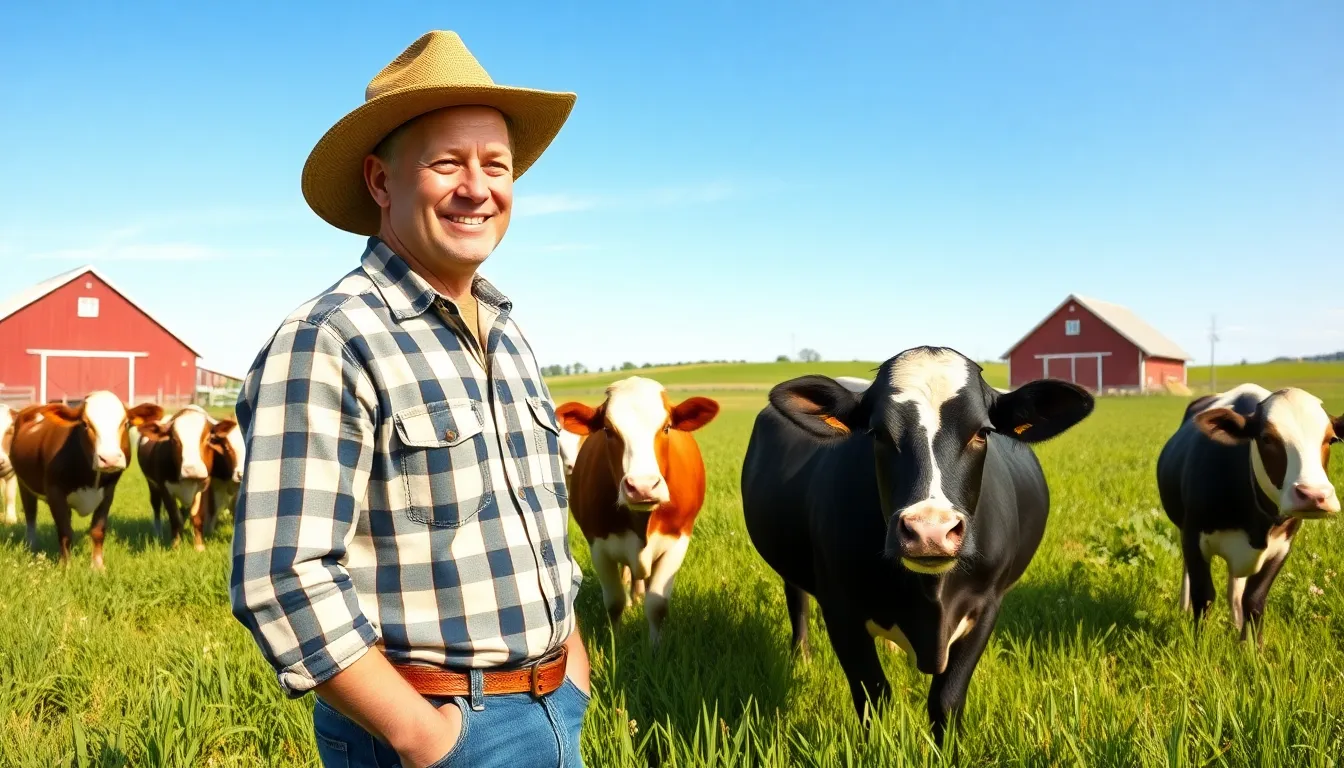

In a world where the dinner plate often gets more attention than the pasture, conscious animal farming is stepping into the spotlight. Imagine a farm where cows aren’t just mooing machines but pampered residents enjoying the good life. This isn’t a fairy tale; it’s a movement aimed at treating our animal companions with the respect they deserve while still providing delicious, sustainable food.
Understanding Conscious Animal Farming
Conscious animal farming emphasizes the welfare of animals within agricultural practices. This approach contrasts with conventional farming by promoting ethical treatment alongside sustainable food production.
Definition and Principles
Conscious animal farming defines a method that prioritizes animal well-being, ethical treatment, and sustainability. Farmers engage in practices that reflect a commitment to humane living conditions and natural behaviors. The principles include rotational grazing, organic feed, and stress-reduction techniques, focusing on the quality of life for livestock. Transparency in farming practices contributes to consumer trust, as people gain awareness of where their food comes from. Legislation increasingly supports these practices, creating a framework for conscious farming standards.
Importance in Modern Agriculture
Conscious animal farming plays a vital role in addressing public concerns around animal welfare and environmental sustainability. It fosters biodiversity by allowing animals to thrive in ecosystems rather than confined spaces. Issues like antibiotic resistance frequently arise in traditional farming; conscious methods reduce reliance on medication through improved health management. Enhancing soil health through responsible grazing leads to better crop yields and minimal environmental impact. Lastly, consumer preferences shift toward ethically sourced products, shaping agricultural trends toward conscious practices.
Benefits of Conscious Animal Farming

Conscious animal farming offers significant advantages for both animal welfare and the environment. This approach fosters healthier ecosystems and promotes ethical treatment of animals.
Animal Welfare
Animals receive humane treatment in conscious animal farming. Farmers prioritize the well-being of livestock by providing spacious living conditions and social interaction. This method reduces stress, leading to healthier animals that produce better quality meat and dairy products. Improved veterinary care minimizes the use of antibiotics, enhancing overall health and resilience in animal populations. Furthermore, educating consumers about animal welfare practices builds trust and demand for ethically sourced products.
Environmental Impact
Environmental health benefits from conscious animal farming practices. Sustainable methods like rotational grazing improve soil fertility and promote biodiversity. Livestock contribute to nutrient cycling by returning organic matter to the soil. Reduced reliance on harmful chemicals protects surrounding ecosystems while maintaining agricultural productivity. Additionally, conscious practices often lower greenhouse gas emissions compared to conventional farming. Sustainable farming supports climate change mitigation, aligning agricultural practices with ecological preservation.
Key Practices in Conscious Animal Farming
Conscious animal farming incorporates various practices that emphasize ethical treatment and sustainable methods. This approach ensures animal welfare while maintaining productivity.
Sustainable Breeding Techniques
Sustainable breeding techniques enhance genetic diversity among livestock. Farmers can select animals based on health, resilience, and adaptability rather than solely productivity. Implementing these methods leads to improved herd vitality, which enhances overall farm sustainability. Additionally, focusing on local breeds can promote better adaptation to specific environmental conditions. Breeding for traits like disease resistance reduces the need for medications and fosters healthier animals.
Ethical Feeding Practices
Ethical feeding practices prioritize the nutritional needs of animals. Using organic feed options minimizes exposure to harmful chemicals, promoting their well-being. Rotational grazing allows animals access to fresh pastures, enhancing their diet and quality of life. Moreover, incorporating supplemental nutrition ensures proper growth and development. Prioritizing high-quality feed sources contributes to better health outcomes, producing superior meat and dairy products. Feeding methods directly influence animal welfare and play a crucial role in maintaining farm sustainability.
Challenges in Implementing Conscious Animal Farming
Implementing conscious animal farming faces significant hurdles. Economic factors often present the most pronounced challenges.
Economic Considerations
Financial investments in infrastructure and practices often deter farmers from adopting conscious animal farming methods. Increased costs for organic feed and natural veterinary care may lead to lower profit margins. Many farms must balance initial investments against projected long-term benefits. Price volatility in the market further complicates financial planning. Adapting to rotational grazing practices requires modifications to land use, impacting productivity during the transition period. Some farmers might hesitate to make these changes without clear short-term gains.
Consumer Awareness and Demand
Consumer awareness plays a crucial role in the success of conscious animal farming. Many consumers increasingly prioritize ethical sourcing and sustainable practices. However, awareness levels vary widely across demographics and regions. A lack of understanding about these farming methods can hinder demand. Educating consumers can foster trust and expand the market for humanely produced goods. Price sensitivity among consumers often limits their willingness to pay a premium for ethically sourced products. Competition from cheaper, conventional alternatives can also create challenges in market penetration.
Conscious animal farming represents a pivotal shift in agricultural practices that values animal welfare and environmental sustainability. By prioritizing humane treatment and natural farming methods, this approach not only enhances the quality of food but also fosters healthier ecosystems.
As consumers become more aware of their food sources, the demand for ethically produced products continues to grow. This trend encourages farmers to adopt practices that align with both ethical standards and sustainable agriculture.
While challenges remain in terms of economic viability and consumer education, the benefits of conscious animal farming are clear. It paves the way for a more compassionate and sustainable future in agriculture, ensuring that animal welfare and environmental health go hand in hand.


